
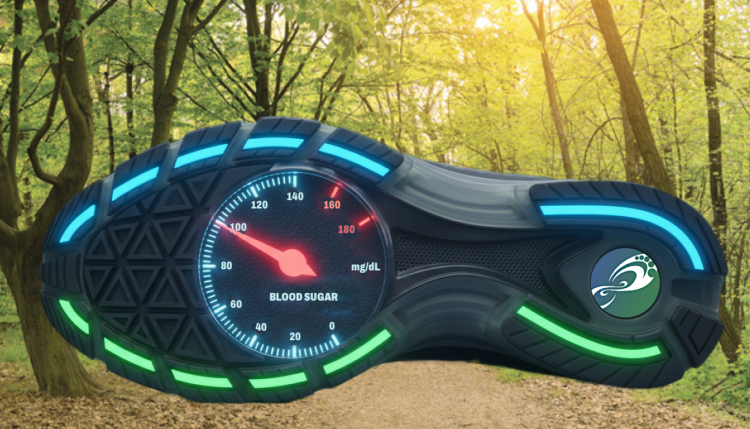
Managing blood sugar is the central, daily challenge of living with diabetes — one most people instinctively associate with dietary restriction, medication regimens, and clinical monitoring. What tends to be underestimated, however, is the extraordinary power of one of the most fundamental human activities: walking. Not a marathon, not a gym membership, not a piece of expensive equipment — just consistent, intentional walking, applied with a degree of strategic thinking about timing and intensity. For people with diabetes, this deceptively simple activity can function as one of the most effective metabolic interventions available, capable of reshaping how the body processes glucose in ways that complement — and in some cases reduce reliance on — pharmacological approaches.
This guide explores the science behind walking’s effect on blood sugar, examines the research on optimal timing and duration, and provides practical frameworks for incorporating walking into an effective diabetes management strategy — whether you’re just starting your journey or looking to amplify results you’ve already begun to achieve.’
Walking and Blood Sugar: Why Movement Is Medicine
When you begin walking, your muscles transition from resting to active — and active muscles are energy-hungry. They begin pulling glucose from the bloodstream to fuel their contractions. Crucially, this glucose uptake happens through a pathway that is partially independent of insulin, meaning that even individuals whose cells have developed resistance to insulin’s signals, or whose pancreas produces insufficient quantities of the hormone, still benefit substantially from the glucose-clearing effect of muscular activity.
According to the American Diabetes Association, the blood glucose-lowering effect of physical activity like walking can persist for up to 24 hours after exercise — a duration that reflects the deep metabolic recalibration that walking triggers, not merely a transient caloric burn. The body becomes more receptive to insulin’s signals, more efficient at shuttling glucose into cells, and more adept at maintaining stable blood sugar levels across the arc of an entire day. For many people with type 2 diabetes, consistent walking has been associated with meaningful reductions in HbA1c, the key long-term marker of blood sugar control.
“Even a two-to-five-minute post-meal walk can meaningfully blunt the glucose spike that naturally follows eating — no gym required.”
Timing Matters: The Power of the Post-Meal Walk
Blood sugar rises naturally after eating, typically peaking somewhere between 30 and 90 minutes after the final bite. For people with diabetes or prediabetes, this postprandial glucose spike can be especially pronounced and slow to resolve — creating cumulative risks to cardiovascular, renal, and neurological health that accumulate over years of elevated post-meal readings.
The research finding that upends conventional assumptions about exercise minimums: even two to five minutes of walking after a meal can prevent blood sugar from spiking as high as it would in a sedentary person. Furthermore, a 10-minute walk after eating has been shown to produce blood sugar reductions equivalent to those achieved by a 30-minute post-meal walk — a ratio that should reframe the conversation for anyone who believes that meaningful health intervention requires a significant time commitment.
How Much Is Enough?
The American Diabetes Association has established a clear, evidence-based recommendation: 30 minutes of walking per day, building toward five days per week as a sustained practice. For those beginning from a sedentary baseline, the clinical guidance is equally clear — start with what is manageable, even if that means 10-minute increments distributed across the day, and build duration and intensity gradually as fitness improves.
Three 10-minute walks spread across breakfast, lunch, and dinner not only accumulate the recommended daily total but also strategically target the post-meal glucose spikes that represent the most clinically significant moments in a diabetic person’s blood sugar cycle. For those who have established a walking baseline, a 2023 study found that walking faster — not necessarily longer — produced further reductions in diabetes risk, independent of total daily step count.
The Dawn Phenomenon: Walk Early and Often
Among the more frustrating aspects of diabetes management is the dawn phenomenon — the tendency for blood sugar to rise in the early morning hours, driven by hormonal changes that occur as the body prepares to wake. Many people with type 2 diabetes find their fasting blood sugar readings upon waking are paradoxically elevated despite no overnight food consumption.
Research has identified morning walks of 30 minutes or more as a particularly effective intervention, with regular morning exercise associated with measurable reductions in average fasting blood sugar for people with type 2 diabetes. Beginning the day with a brisk walk sets a metabolic tone that cascades positively through subsequent hours. An evening walk after dinner provides a complementary bookend that keeps blood sugar more stable across the full circadian cycle.
How to Build a Sustainable Walking Habit
The most sophisticated diabetes management strategy is worthless if it cannot be maintained — and maintenance depends on making walking genuinely integrated into daily life rather than treating it as a separate, effortful obligation.
- Start with post-meal micro-walks. Even two minutes after breakfast is a meaningful beginning. Once the habit is established, extend duration gradually.
- Track your blood sugar before and after walks, particularly when beginning or changing your routine. Seeing the numbers move in real time is a powerful motivational tool.
- Build in environmental cues. Park at the far end of parking lots, take stairs, walk during phone calls — every incremental step accumulates meaningful metabolic benefit.
- Invest in footwear. For people with diabetes, foot health is particularly important. Comfortable, supportive shoes reduce friction, blisters, and the risk of injuries that can interrupt a developing habit.
- Create social accountability. Walking with a friend, joining a local walking group, or participating in app-based community challenges dramatically increases adherence and transforms exercise from obligation into social connection.
- Be alert for hypoglycemia. If you notice sudden, pronounced drops in blood sugar following walks — particularly when increasing intensity or duration — consult a healthcare provider, as medication adjustments may be warranted.
Frequently Asked Questions
How quickly does walking lower blood sugar?
The glucose-lowering effect begins within minutes of starting to walk, as active muscles immediately begin drawing glucose from the bloodstream. The effect continues during the walk and can persist for up to 24 hours afterward, reflecting the broader improvements in insulin sensitivity that regular walking produces over time.
Can walking cure or reverse my diabetes?
Walking will not reverse an established diabetes diagnosis, but it is one of the most powerful tools available for reducing its impact and preventing complications. Regular walking lowers blood glucose, improves insulin sensitivity, supports weight loss, and — for some people with type 2 diabetes — has been associated with reduced medication requirements. For individuals with prediabetes, consistent walking has been shown to help normalize glucose levels and meaningfully reduce the likelihood of progression to full diabetes.
When is the best time of day to walk for blood sugar management?
The most effective timing strategy is to walk after meals, when blood sugar is naturally at its highest and most vulnerable to problematic spikes. Within that framework, morning walks offer the additional benefit of addressing the dawn phenomenon — the elevated fasting blood sugar that many people with diabetes experience upon waking. Evening walks after dinner can help stabilize overnight glucose levels. The ideal approach is walking after as many meals as practical, beginning with whichever meal is most logistically convenient.
Does walking speed matter?
Yes, and increasingly so as fitness improves. A 2023 study found that brisker walking pace was associated with greater reductions in diabetes risk independent of duration, suggesting that intensity is a meaningful variable once a baseline walking habit has been established. For beginners, any pace is beneficial; for more experienced walkers, gradually increasing speed or incorporating gentle inclines can amplify the metabolic benefits of sessions that are already helping.
What should I watch for regarding hypoglycemia when walking?
While walking typically lowers blood sugar gradually and safely, people on certain diabetes medications — particularly insulin or sulfonylureas — may experience hypoglycemia (low blood sugar) during or after exercise. Monitor your glucose levels before and after walks, particularly when beginning a new walking routine or significantly increasing intensity. If you experience dizziness, shakiness, or other hypoglycemia symptoms during a walk, stop immediately and address the low blood sugar. Discuss any concerns about medication adjustments with your healthcare provider.
The Bottom Line
Walking represents something genuinely rare in the landscape of diabetes management: an intervention that is free, scalable to virtually any fitness level, immediately effective, cumulative in its long-term benefits, and sufficiently enjoyable to become a sustainable lifestyle practice rather than a temporary therapeutic measure.
From the brief post-breakfast stroll to the 30-minute morning walk that recalibrates fasting glucose, every step activates biology that works in your favor — drawing glucose from the blood, improving the body’s insulin sensitivity, and incrementally building the kind of metabolic resilience that makes diabetes manageable over the long arc of a life well-lived.
“The path forward doesn’t require perfection. It requires movement. And movement, as the research consistently demonstrates, is exactly enough.”